
Transit insurance is a type of coverage that protects your goods during transportation from one location to another, including any damages, losses, or theft.
It might be referred to by a variety of names based on the scenario at hand; some of these include goods in transit insurance, inland transit insurance, property in transit insurance, cargo insurance, and freight insurance. Different terminologies may be used based on domestic or international shipping, as well as based on whom you are addressing (insurer, freight forwarder, banker). Nonetheless, the protection offered by the insurance remains unchanged regardless of the name used.
You have the choice of obtaining insurance either per shipment or as an open coverage policy that covers all your shipments during the period of coverage, which is often one year. It is usually more efficient to obtain open insurance when making frequent shipments.
Businesses engaged in shipping goods face numerous risks that can lead to significant financial losses. Goods in transit insurance provides crucial protection against these risks, ensuring that unforeseen events don't disrupt your supply chain or impact your bottom line. It offers peace of mind to stakeholders, meets contractual requirements, and helps maintain business continuity.
Cargo insurance is the term more commonly used for international shipments particularly imports and exports. It follows the cargo (your goods) rather than the vehicle or vessel, and is the standard product used in global trade.
Most Letters of Credit and international trade contracts require cargo insurance. You can buy it on an "All Risks" basis which is broader and covers most causes of loss or damage or on a "Named Perils" basis, which is narrower and cheaper but only covers the specific risks listed in the policy. For most businesses, All Risks is the right call unless there's a specific cost reason to go the other way.
Marine transit insurance typically covers your goods from the moment they leave the point of origin until they reach their final destination. The policy is tailored to the specific shipment, considering factors such as cargo type, value, mode of transport, and route. In the event of a covered loss, the insurance provides financial compensation to help recover the value of damaged or lost goods.
Our transit insurance plans offer:
Transit insurance provides several key benefits:
Inclusions typically cover:
Common exclusions may include:
Single Transit Insurance

When there is an occasional transportation need, like shifting business premises or of specific assets from one office to other or shifting home goods or import of specific machinery, one can buy a Single transit policy. Such policies are limited in coverage and relatively expensive.
Open Marine Policy
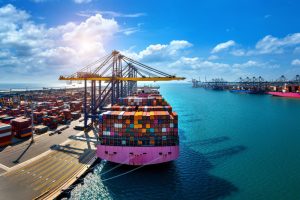
Insuring business transit requires cover for movement of raw materials and finished goods to and from warehouses and customers. Open policy risks are identified and defined. The insurer keeps estimated premium as a deposit, deducting premium for transits declared monthly.
Sales Turnover Policy

A business may have several transit needs including imports and exports, domestic movements, demo and exhibitions, or job work requirements. For multiple transit needs, insurers can aggregate all movements into one policy where premium is charged in line with your Sales Turnover.
Transport Operator’s Liability

Transporters are always exposed to the risk of damages to goods under their custody, which is inherent to their business. Cargo can be lost, stolen, misdirected or damaged in accident. A transporter can avoid a financial loss by having a liability cover creating a protection for his business.
Freight Forwarders Liability

A freight forwarder is a master planner for transit needs. Responsibilities can encompass documentation, transporter selection and warehousing. You can insure your professional liabilities, defend suits alleging negligence and even liability to port and transport authorities.

Inland transit insurance plays a vital role in protecting goods during domestic transportation. It covers risks associated with road, rail, and inland waterway transport, ensuring that your shipments are protected even when they're not crossing international borders. This coverage is essential for businesses with extensive domestic supply chains or distribution networks.
Warehouse insurance is an integral component of comprehensive transit insurance. It covers goods during temporary storage periods that occur as part of the transportation process. This coverage bridges potential gaps between different phases of transit, ensuring continuous protection for your valuable cargo from origin to final destination.
At Edify, we understand that every business has unique shipping needs. Our team works closely with you to create a tailored transit insurance solution that addresses your specific risks and requirements. We consider factors such as shipment frequency, cargo type, transportation modes, and global reach to design a comprehensive policy that provides optimal protection while remaining cost-effective.
Transit insurance refers to coverage that protects goods and cargo against loss or damage during transportation from one place to another. It provides financial protection for shipments moving by various modes of transport.
Premiums are based on factors such as the type and value of goods, mode of transport, shipping route, and chosen coverages. Our experts assess these elements to provide a competitive quote.
Standard policies typically don’t cover delays. However, we can discuss specialized coverage options for consequential losses if they are a significant concern for your business.
Warehouse insurance is not always automatically included in transit insurance. We offer it as an additional coverage to ensure comprehensive protection throughout the entire shipping process.
While the basic principles are similar, international shipments often require more complex coverage due to longer transit times, multiple modes of transport, and varying regulations across countries. We tailor policies to address these specific challenges.